Common Misconceptions About Virtual Assistants — And the Reality Behind the Role

As virtual assistance has grown over recent years, so too have the misconceptions surrounding the role. Many people are surprised to discover how much the industry has evolved, and how varied and professional modern virtual support has become.
For some, the term “Virtual Assistant” still brings to mind someone handling occasional administrative tasks remotely at minimal cost. In reality, modern virtual assistance is far more nuanced, specialised, and strategically valuable than many people realise.
Virtual Assistance Goes Beyond Admin
Today, many virtual assistants operate as experienced professionals who provide structured operational support to businesses across a wide range of industries. While administrative support remains an important part of the role, the scope of work often extends far beyond diary management or inbox organisation.
Many VAs now support businesses with bookkeeping, client communication, systems organisation, project coordination, CRM management, workflow improvement, content scheduling, and digital operations. Increasingly, virtual assistants are also working alongside AI tools and automation systems, helping businesses use technology more effectively while maintaining the human oversight, judgement, and consistency that technology alone cannot provide.
Why Small Businesses Benefit Most
Another common misconception is that virtual assistants are only useful for larger companies. In reality, many VAs work primarily with small businesses, entrepreneurs, and growing companies that need reliable support without the costs and commitments associated with hiring full-time in-house staff.
For many business owners, it is not necessarily the larger projects that create pressure, but the accumulation of smaller day-to-day responsibilities over time. Emails, invoicing, scheduling, record-keeping, client communication, and operational organisation can quickly become difficult to manage alongside the wider demands of running a business.
Virtual support allows business owners to delegate these responsibilities in a way that feels structured, manageable, and consistent.
The Human Side of Virtual Support
There is also an assumption that virtual assistance is simply about “outsourcing tasks.” In practice, a strong VA relationship is often built on trust, continuity, and understanding how a business operates over time.
The most effective support usually comes through ongoing working relationships where structure, organisation, and consistency are maintained behind the scenes. Rather than working in a reactive way, many professional VAs focus on becoming a dependable extension of the businesses they support.
Professional boundaries are also an important part of the role. Contrary to the belief that virtual assistants should always be available, experienced VAs establish clear communication practices, working hours, and expectations. Reliability is not about being online 24/7, but about delivering work consistently, calmly, and professionally.
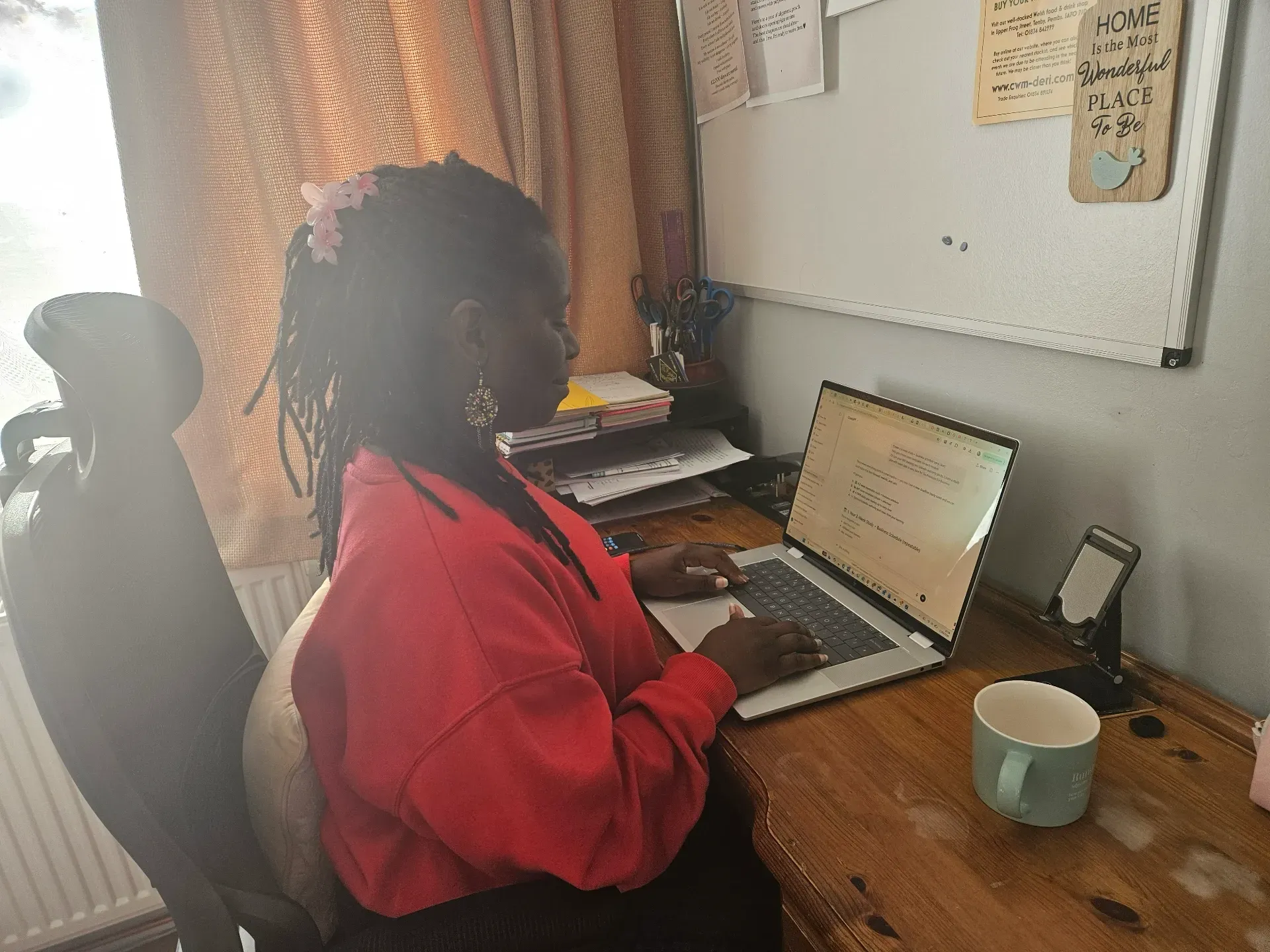
AI and the Evolving Role of VAs
With the rapid growth of AI and automation, there is sometimes concern that virtual assistants may eventually become obsolete. In reality, the role is evolving rather than disappearing.
Businesses still need people who can think critically, manage systems, oversee processes, communicate effectively, and ensure that important details are handled properly. While AI can support efficiency, human judgement, adaptability, and relationship management remain essential.
Many virtual assistants are now integrating AI into their workflows to improve organisation, streamline repetitive tasks, and support operational efficiency — while still providing the human insight and oversight businesses rely on.
A More Thoughtful Approach to Support
Ultimately, effective virtual support is not simply about completing tasks, but about creating structure, consistency, and breathing space for business owners.
As the way we work continues to evolve, the role of thoughtful, reliable support behind the scenes is becoming increasingly valuable. At its core, virtual assistance is about helping businesses feel more organised, supported, and able to focus on what matters most.
At RisenUp, the focus is on providing calm, reliable, retainer-based support that allows business owners to work in a more structured and manageable way, with confidence that important day-to-day responsibilities are being handled properly and consistently.